
From Clay Pots to Cabernet Franc: Meet the Winemakers Reshaping Mexico’s Wine Future
Once an underdog in Mexico’s wine story, the state of Guanajuato is now one of its most exciting players. With more than 30 vineyards and a 25% growth in wine tourism over the last five years, the region has carved out a name for itself thanks to high-altitude terroir, innovative winemaking, and a culture rooted in both tradition and experimentation.
San Miguel de Allende, in particular, is fast becoming the beating heart of this movement. Whether you’re a casual sipper or a dedicated oenophile, these are the wineries putting Guanajuato on the global wine map.
Cava Garambullo: Wine as Conversation
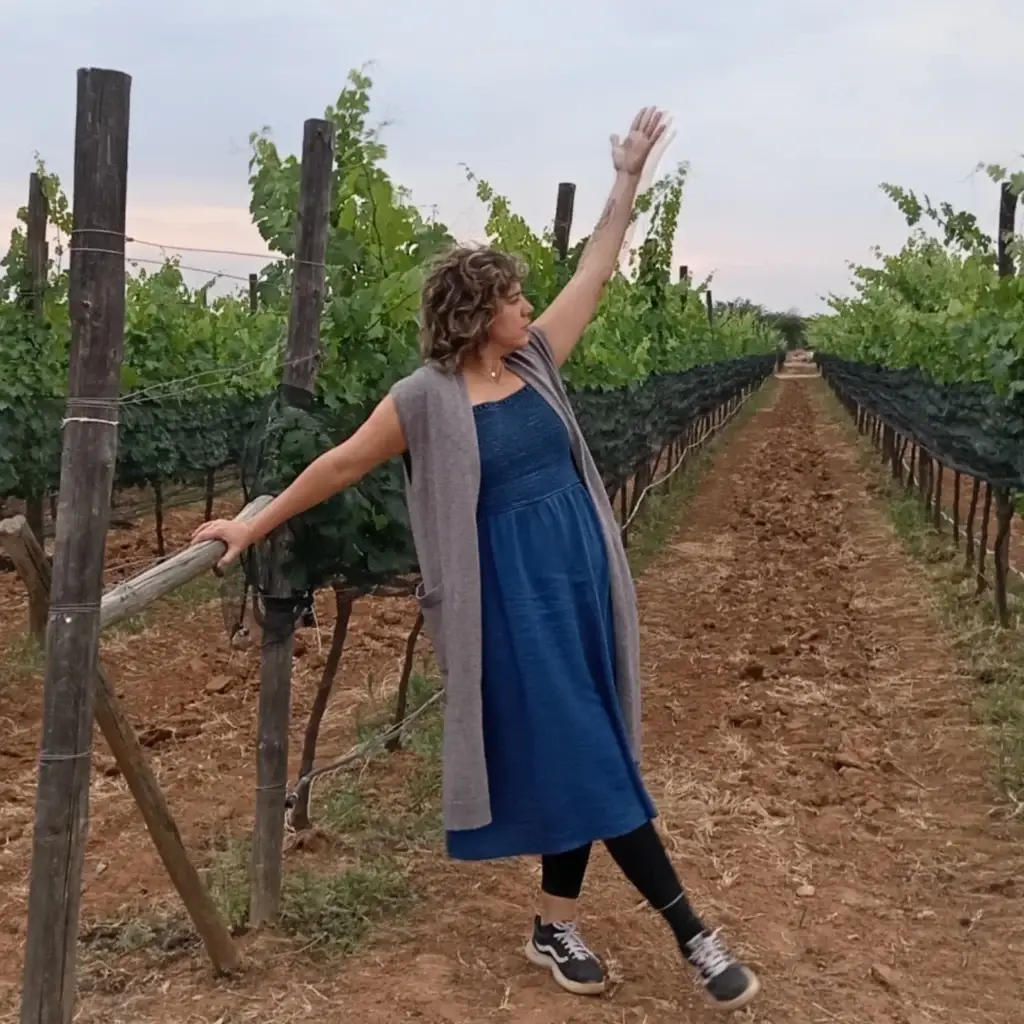
In the high desert hills just a short drive north of San Miguel de Allende, a small winery is reshaping how we think about organic wine. Cava Garambullo, founded by chemist Natalia López Mota and biologist Branko Pjanic, is a love letter to nature, culture, and the possibilities of fermentation.
Nothing showy. Just wine that tastes like where it came from—fermented slowly, with minimal intervention, and always with respect for the land.

“Wine is a way of understanding the world. The less I intervene, the more clearly I can taste nature itself.”
— Natalia López Mota
Cava Garambullo’s cellar is compact, almost modest. The work isn’t. The team produces around 8,000 bottles a year, using organic grapes from vineyards they help cultivate. French oak barrels, always second-use, are chosen to ensure the oak doesn’t overwhelm the grapes.
Signature wines include a 100% Cabernet Franc from Dolores Hidalgo that’s balanced, lush, and elegant. Mono, a monovarietal label, is made only in vintages when a grape truly stands out. Oportuno, a fortified wine, wasn’t planned at all—it was made on intuition and turned into something unexpected and original.
But Cava Garambullo isn’t just about wine. It’s about context. Culture. Conversation.
The winery hosts monthly Wine Talks where guests gather to taste and share. Topics have ranged from gravity to identity to transformation. These aren’t lectures, but salons—equal parts information and fun. In between the talks, the winery has hosted collage nights, bachata classes, and evenings where the lines between tasting and art-making start to blur.
“Each wine is a question we’ve asked, and a way of answering it.”
— Natalia López Mota
In a region that often chases international recognition, Cava Garambullo stays rooted. Local cactus gave it its name. Local soil gives it its voice.
Curious about where natural wine is headed in central Mexico? Plan a visit at cavagarambullo.com. Tastings are by appointment.
Dos Búhos: Where the Owls Watch the Vines
At the end of a dirt road just outside San Miguel de Allende, you’ll find Dos Búhos—“Two Owls”—a family-run winery where the silence of the land, the rhythm of the vines, and the way the wines are made suggest a slow, deliberate practice.
The vineyard was planted in the early 2000s on what had been a working dairy farm for over a century. Today, more than 60 acres of vines stretch across this high-altitude patch of Guanajuato, where warm days and cool nights shape the fruit. The soils are mineral-rich. The farming is organic.
Dos Búhos doesn’t pursue a single style. It’s a space for quiet experimentation. Syrah, Cabernet Franc, Malbec, and Tempranillo grow alongside Marsanne, Viognier, and other less expected varietals. Fermentations are spontaneous. Clay amphorae and neutral oak play a central role in aging.
“We believe we are more when we work together — that’s why supporting our local community has been part of Dos Búhos from the start.”
The estate includes sculpture gardens, antique presses, and shaded terraces with mountain views. Tastings unfold slowly, over long conversations. Guests are encouraged to walk, ask questions, and take their time.
Reservations required at dosbuhos.com. Bring your questions. Leave with a bottle—and maybe something quieter, too.
Hacienda San José Lavista: Where Wine Meets Ceremony
Ten minutes west of San Miguel, Hacienda San José Lavista rises from the hills like a mirage. Vines stretch toward the horizon, a white chapel sits quietly on the ridge, and the main house, framed by lavender and olive trees, catches the light just right.
The estate was founded in 2010 with hospitality at its core. There’s a vineyard, boutique hotel, fine dining restaurant, and a winery built for both production and pleasure.
Ten hectares are planted with Tempranillo, Syrah, Malbec, and Cabernet Sauvignon. The wines lean European: clean fermentations, French oak, and a focus on balance over boldness. Their dry, aromatic rosé is a local favorite.
Tastings take place in the glass-walled cellar or on the terrace overlooking the vines. Guests can stay overnight, dine on the patio, or wander the gardens until the light fades. Events, including weddings, are intimate and intentionally designed.
To plan a tasting, event, or overnight stay, head to haciendasanjoselavista.com.
Octágono Vino Ancestral: Fermentation on Its Own Terms
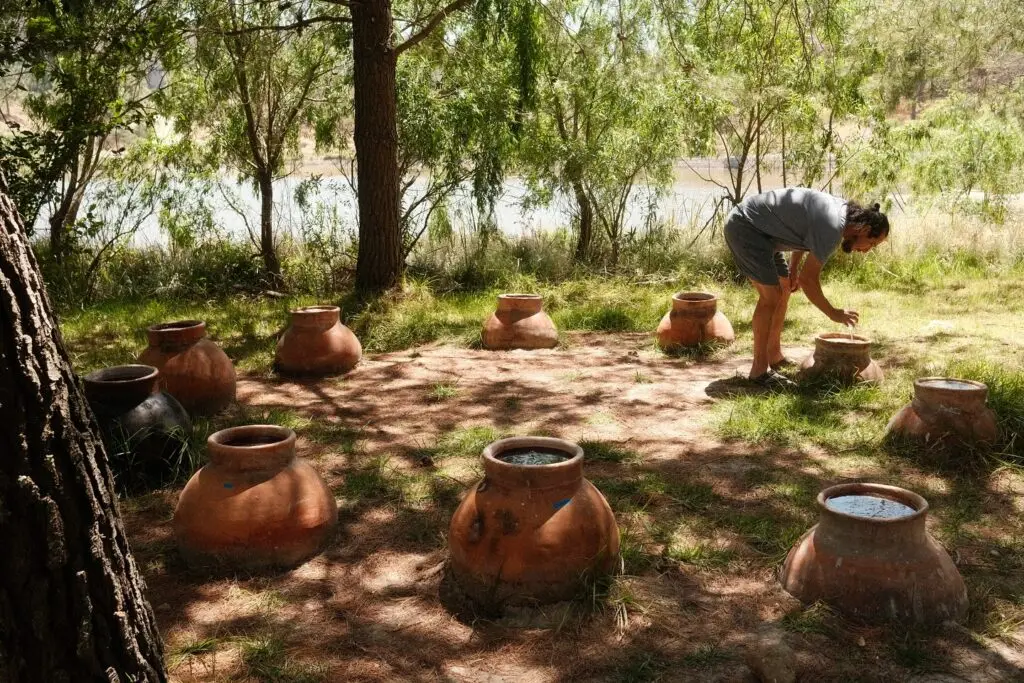
Octágono’s wines are crafted at the winery’s own rural site in the municipality of San Felipe—roughly a two‑hour drive north of San Miguel de Allende. You can however, sample the entire lineup at Octágono’s Tasting Room on Tenerías #2 in Central San Miguel.
This is decidedly non‑traditional winemaking: there are no oak barrels or temperature‑controlled cellars, only native yeasts, regional fruit, and custom clay amphora‑style vessels (think amphoras/tinajas inspired by Georgian kvevri) designed specifically for Octágono’s fermentations.
“We make wine for pleasure, to experiment, to have fun.”
— Marcelo Castro Vera
Winemaker Marcelo Castro Vera keeps intervention to a minimum. The wines are named for their style—Blanco, Naranja, Rosado, and Tinto. Expect each release to be its own creature: some lean toward crisp, high‑acid refreshment, others toward generous fruit or floral notes, and an occasional lot is lightly sparkling. All, though, are living expressions of place and process.
Explore the lineup at elnidal.com.mx/octagono.
Puente Josefa: From Napa Roots to Guanajuato Soil
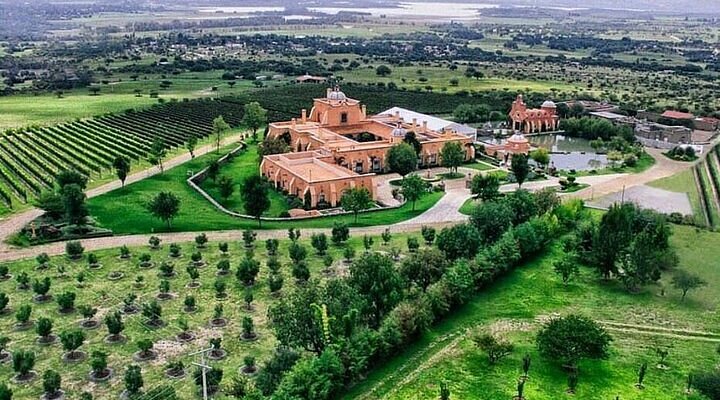
Just 20 minutes north of town, Puente Josefa is growing organic grapes at 1,950 meters above sea level on what was once family land. The approach: keep things clean, simple, and rooted in the land.
Some of the vineyard’s stock comes from California’s Napa Valley, now flourishing in the Guanajuato climate. Grapes include Syrah, Cabernet Sauvignon, Tempranillo, and Sauvignon Blanc. All are grown without synthetic chemicals.
“The vines are 100% organic. The winemaking is minimal. What’s in the bottle reflects the land — and not much else.”
Guests are invited to walk the vineyard, tour the cellar, and enjoy a tasting with regional cheeses and charcuterie.
Visits are by reservation at puentejosefavinedo.com.
Rancho Los Remedios: Blending Past and Present
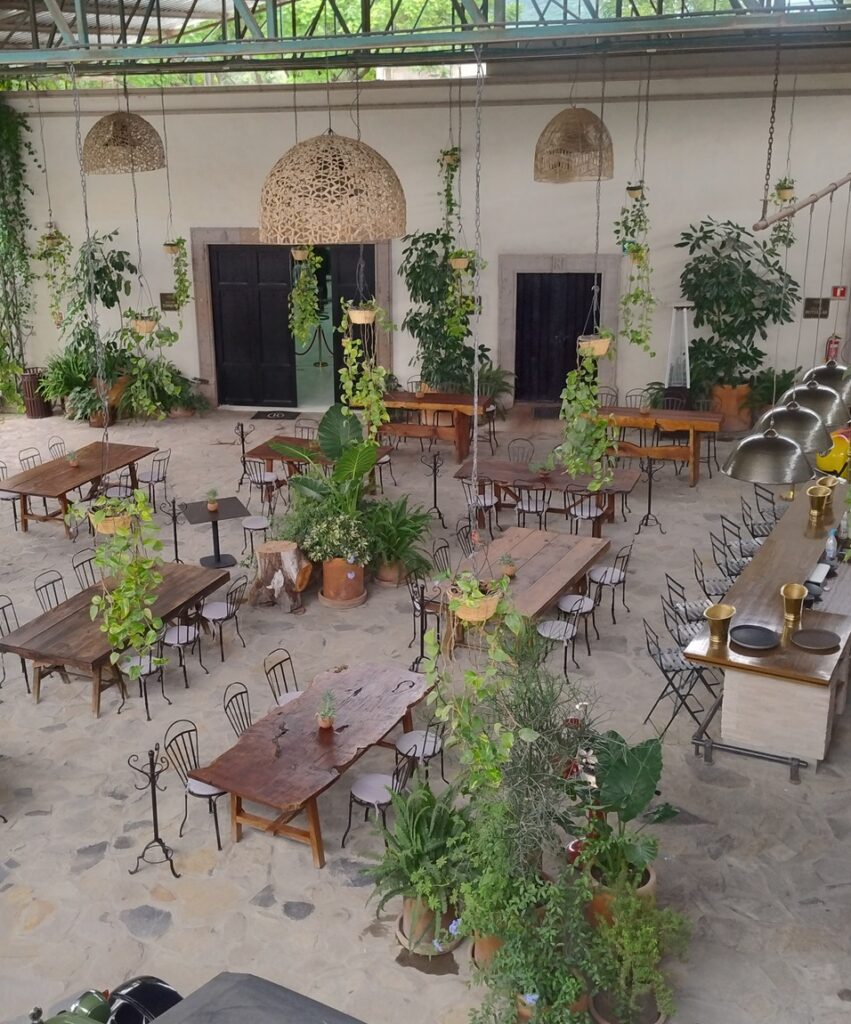
Located just south of Comonfort, Rancho Los Remedios is built on land that’s been in the Ibargüengoitia family for generations. Alongside the vineyard, there are peach and avocado orchards, endemic trees, and two 18th-century Indian chapels.
At over 2,000 meters elevation, the vineyard grows Malbec, Tempranillo, Syrah, and Sauvignon Blanc. The wines are structured, restrained, and meant to age.
Guests can blend their own bottle, tour the vineyard, or stay in the onsite hotel. The atmosphere is quiet, regional, and rooted in history.
“We don’t inherit the land from our ancestors, we borrow it from our children.”
More details at rancholosremedios.com. Shuttle service from San Miguel is available.
Tres Raíces: Architecture, Infrastructure, and Hospitality
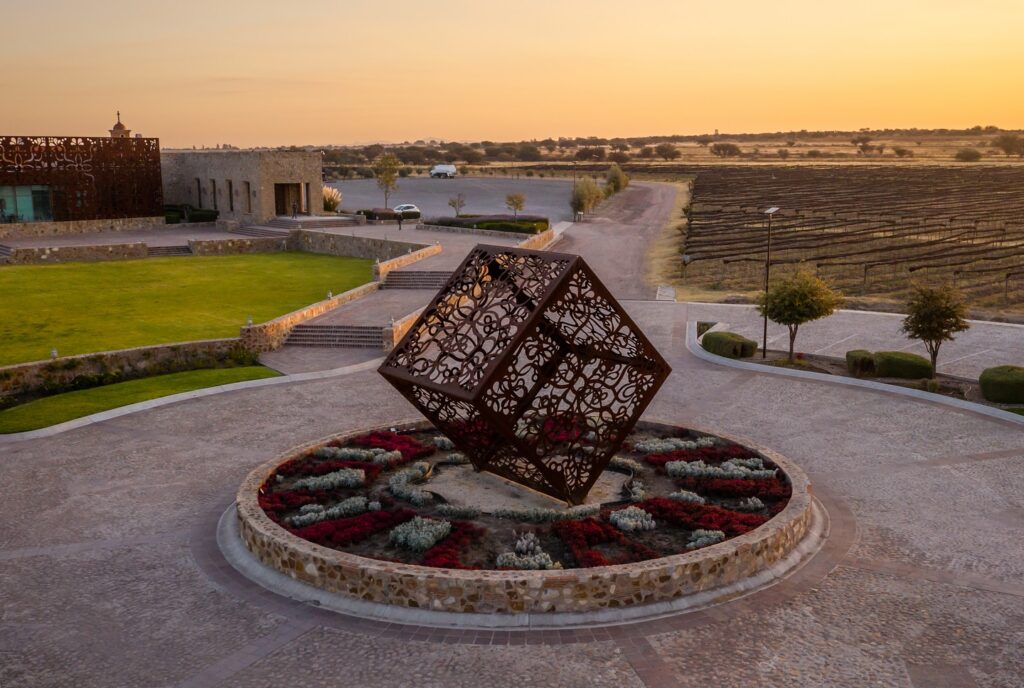
Halfway between San Miguel and Dolores Hidalgo, Tres Raíces is one of the region’s most architecturally striking wineries. With 60 hectares of land, one-third planted with vines, this is winemaking on a polished scale.
Fermentations are temperature-controlled, wines are aged in both French and American oak, and the style is refined and technical.
“Our mission is to delight each and every one of your senses.”
The property includes a hotel, restaurant, tasting room, and event space. Guests can tour, dine, or even sign up to be winemaker for a day.
Plan your visit at viñedotresraices.com.
Viñedo Los Arcángeles: Training, Terroir, and a Little Faith
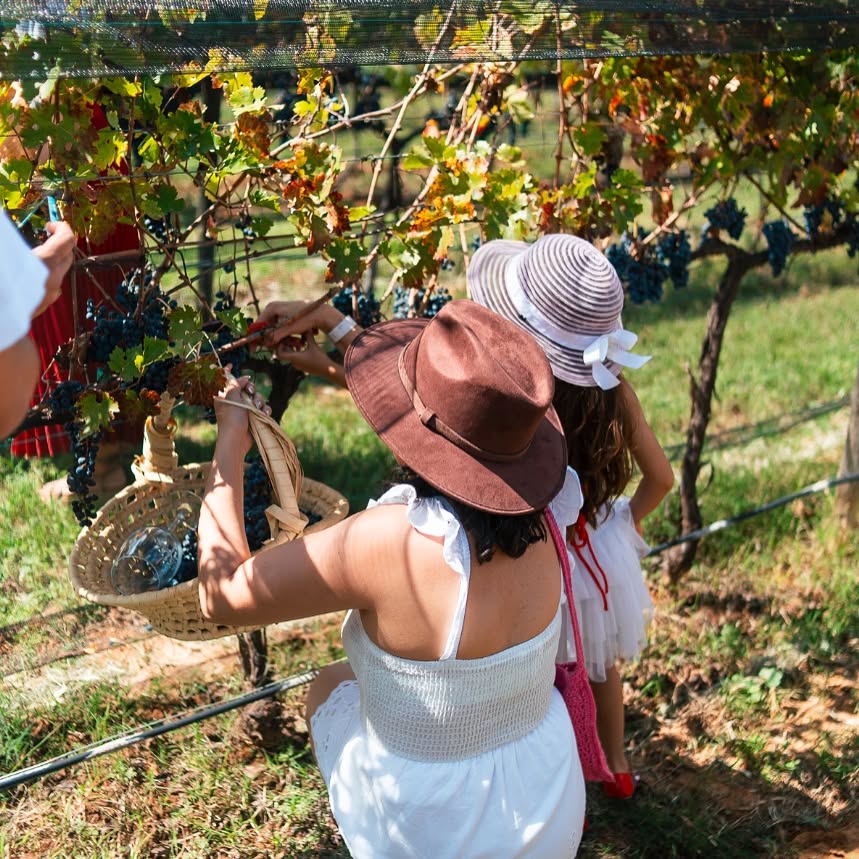
Just outside Comonfort, Viñedo Los Arcángeles is a hands-on, family-run vineyard where everything—from pruning to bottling—is done in-house.
Winemaker Ulises Ruiz, trained in Europe and the U.S., brings structure and balance to wines made from Cabernet, Merlot, Malbec, and Tempranillo. The vineyard follows zero-waste practices, using all byproducts in compost or garden use.
“We put our hands into every part of the process to ensure that each bottle is a reflection of the terroir of this region.”
— Ulises Ruiz
Book a tasting and four-course meal at vinedolosarcangeles.com.
Viñedo San Miguel: A Modern Classic
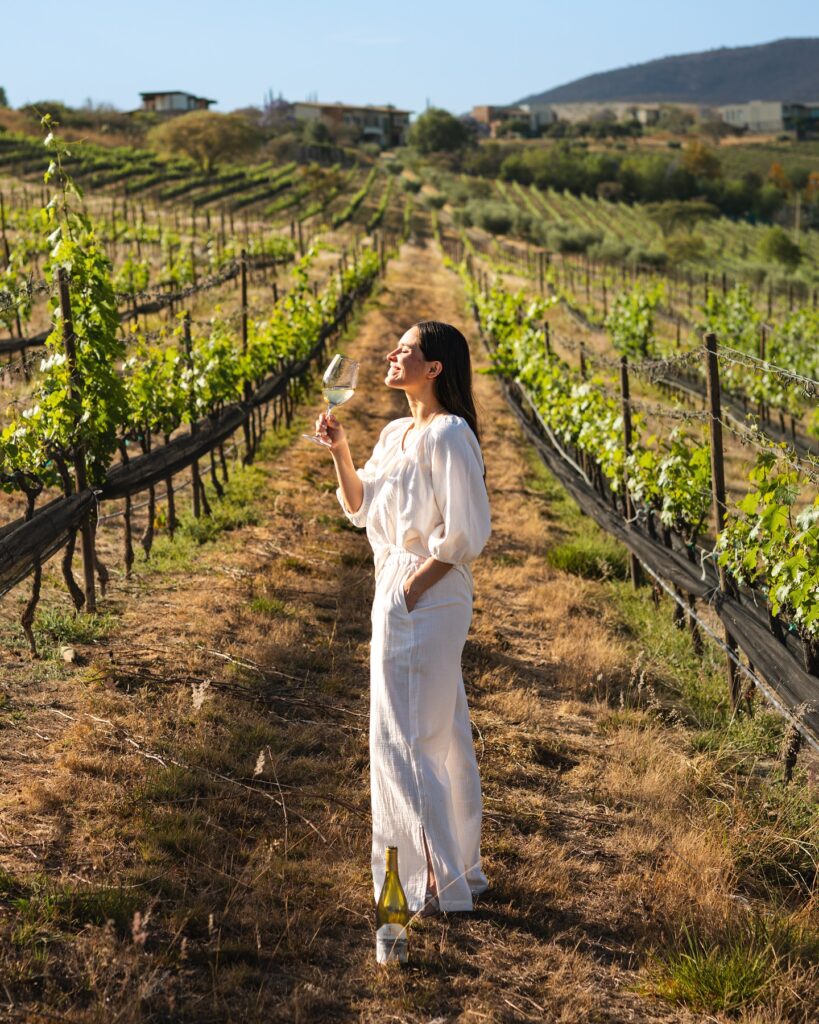
Minutes from downtown, Viñedo San Miguel is one of the most accessible and ambitious wineries in the region. With over 60 hectares and a sleek, modern winery, it’s a showcase of what high-altitude winemaking can look like.
Rooted in Villa Petriolo, a centuries-old Tuscan estate, this project brings European winemaking standards to Guanajuato’s Bajío.
“Born from a centuries-old estate in Tuscany, Viñedo San Miguel brings European winemaking to the high plains of Guanajuato.”
Visitors can explore the vineyard, tour the cellars, dine at the restaurant, or attend events year-round.
Learn more and reserve at vinedosanmiguel.com.mx.
Vino Barrigón: Ugly Wines, Honest Intentions
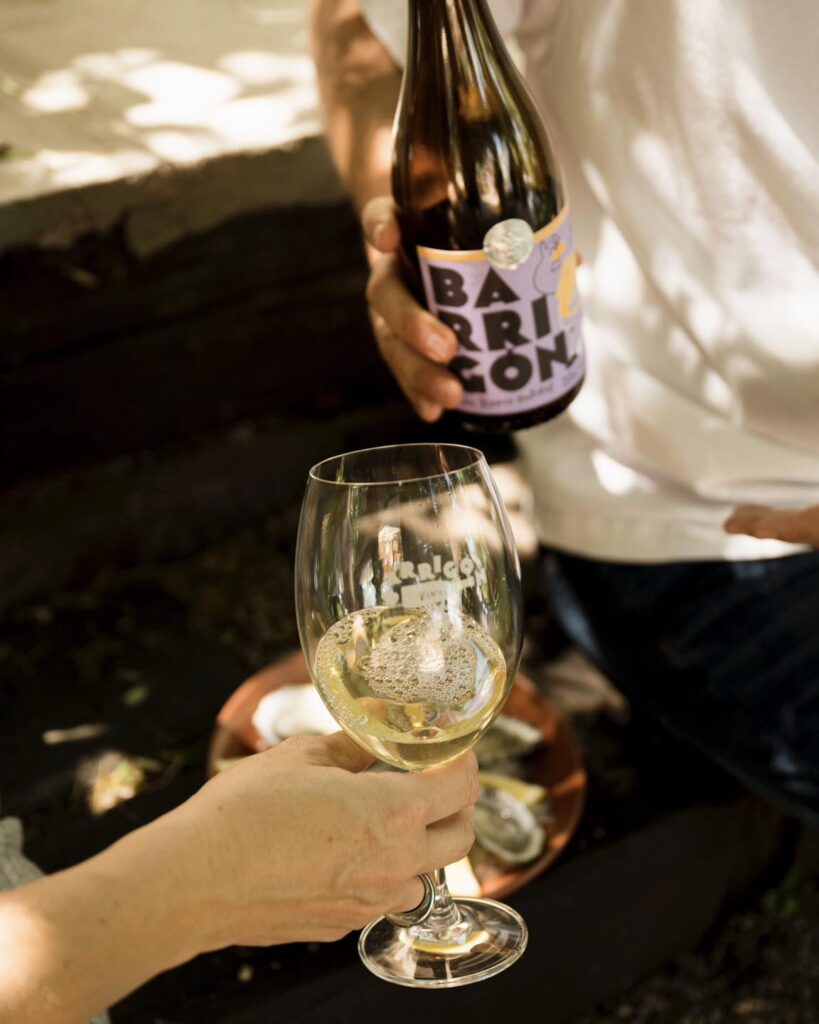
Vino Barrigón started as a joke among three friends on the edge of Querétaro. Today, it’s one of the most creative and least conventional wine projects in Mexico.
Early batches were chaotic. Now, they’re wild by design—Pet Nats, orange wines, and young reds made with native yeasts, minimal sulfur, and irreverent labels.
“We make ugly wines that taste good, with good people and good grapes.”
They don’t distribute. They don’t market. If you want to try it, you’ll have to ask.
Contact: in**@*************as.com
Final Sip
Guanajuato is no longer on the fringes of Mexican winemaking—it’s front and center. From ancestral fermentation in clay pots to award-winning Cabernet Francs, the state is building a wine identity that’s bold, diverse, and deeply local.
The winemakers of San Miguel de Allende are leading that charge—making wines with intention, opening their cellars to the curious, and proving that Mexico’s next great wine region is already here.
Whether you’re sipping in a sculpture garden or blending your own bottle by hand, one thing is clear: this is the future of Mexican wine, and it’s tasting better every year.
Stay tuned to our full features.
Did we miss your favorite? Let us know at ho**@*******ma.com

Author: Lorraine Flett
I’m Lorraine Flett, a longtime San Miguel ambassador, rom-com scribe and amateur sommelier. By day, I pen love stories in my sunny study; by moonlight, I uncork local vintages in cozy, laughter-filled tastings with friends. On SAVANT, I bring you into the heart of our region’s wineries, where history, innovation, and great company come together in every pour.