In 1975, Mary Jane Miller woke up on the floor of an elevator in her Boston apartment building. The car had carried her up and down all night, a slow, mechanical meditation on direction and descent. She remembers opening her eyes and thinking, no one even noticed. That endless ride became a metaphor for the kind of change that can only come through surrender.
“Drastic and immediate change was vital to my survival,” she recalls.
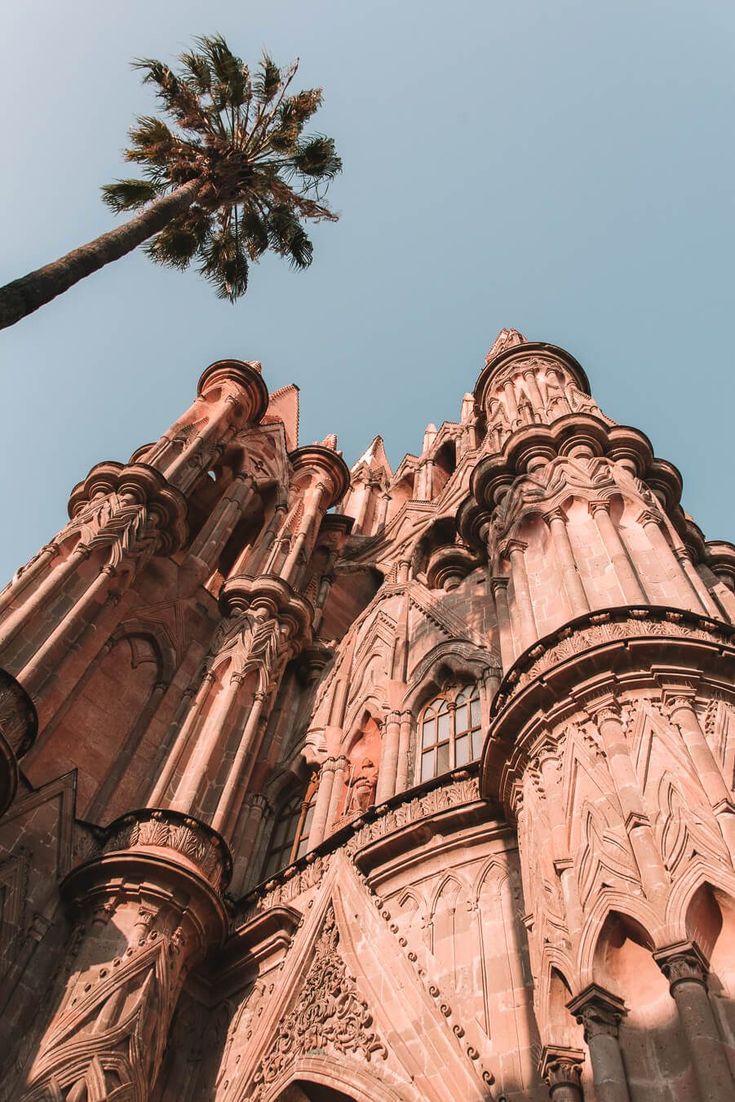
Soon after, she left everything she knew behind and moved to Mexico, a country whose language she didn’t speak, whose culture she had never experienced, and whose light would become her lifelong muse. In San Miguel de Allende, she met Valentín, a young man from a nearby rancho. After three vueltas around the Jardín Principal, they exchanged a look that changed the course of both their lives. Ten months later, they were married.
That same sense of divine timing, of recognizing truth before words exist for it, has guided her art ever since.
The Sacred Language of Color and Form
Two decades into her marriage, Miller discovered icon painting. She attended a single workshop and felt, as she describes it, “seduced by the power of sacred image as a visual language.” Three decades later, she continues to arrive at her studio each day to paint among the saints she calls her friends and teachers.

“Prayer, reflection, discipline, and meditation are what bring spirit into a liturgical lifestyle,” she explains. “Painting with earth pigments has taught me to see. The shapes, shades, and colors repeat endlessly around us. Iconography teaches you how to recognize the world you live in and how connected we all are.”
Her icons are rooted in Byzantine tradition but interpreted through her own lens: rebellious, feminine, and questioning. “In Byzantine iconography, there is little room for change,” she says. “But I am curious, I ask questions, and I see potential everywhere. I want my brushstrokes to speak for me. They’re not much to add, but they are all I have to offer.”
Women at the Table
In a faith and art form long dominated by men, Miller paints women back into the story. Her icons depict female bishops, teachers, and prophets. She places them at the Last Supper, at the Baptism, at Pentecost, where history often erased them.
“Mary is traditionally painted with a faint line through her neck, symbolizing her silenced voice,” she explains. “I’ve kept that line in my work because it’s contemplative, but I also give voice to other women by mirroring Christ’s wiggly neckline, the same gesture of divinity.”
In her book Women in Iconography, Miller reimagines thirty-two women of the Bible as teachers, writers, and mystics. The result is a quiet rebellion wrapped in gold leaf, a visual theology that insists women have always been part of the sacred conversation.
Teaching as Contemplation
Miller’s workshops are as much about prayer as they are about paint. Each retreat is a space to slow down and see with what she calls “the eye of the spirit.”
“Art is meditation,” she says. “My retreats give people time to explore their souls. We paint ancient images, but every copy becomes your own. They carry the fingerprints of centuries of devotion.”
She has seen participants uncover forgotten memories, find forgiveness, and fall in love with their own reflection through the icons they create. “We teach what we are learning,” she laughs. “Translating what we feel into words and images is a challenging delight, intimate, sometimes hysterically funny, and always humbling.”
Mexico and the Mystery of the Divine
After fifty years in San Miguel de Allende, Miller’s connection to Mexico runs deep. “You have to stay awake here,” she says. “There’s so much happening at so many levels, much of it hidden.”
From altars on bus dashboards to elaborate Día de Muertos shrines, she finds a spirituality alive in daily gestures. “Icons are windows to the divine,” she says. “They invite you to stop, reflect, and see.”
Her work exists in that same intersection of art and devotion, shaped by Mexican light and the layered textures of faith that fill the country’s streets.
Seeing with the Eye of Spirit
Now in her seventies, Miller continues to paint every day in her studio, surrounded by saints and silence. “Nearly everything in life can be understood through the eye of the spirit,” she says. “The awe of the unexpected can open you in a moment. Seeing with that eye is mystical. It’s being both in the world and outside of it at the same time.”
For her, wisdom isn’t academic. It’s embodied. “It’s the moment when your body, mind, and emotions act as one. Lemons are no longer just lemons, yet they are simply lemons. That’s when you understand.”
Legacy and Light
Miller’s recent work turns toward the ecological crisis, which she views as humanity’s most urgent spiritual test. “We’re being asked to sacrifice,” she says. “To see our connection to the planet the same way we see it in others. It’s time to stay awake.”
When asked what she hopes to leave behind, her answer is simple:
“Stay awake, watch, see, and don’t be afraid. Life is abundant and beautiful.
Author: Savant Editors
We're Savant, San Miguel de Allende’s new online lifestyle and culture magazine. Created for curious travelers, locals, and design and food lovers alike, Savant offers curated stories and an authentic look into the people, places, and passions that shape this iconic town. More than a publication, it’s a cultural community, and your invitation to experience San Miguel like never before.