Two hundred years after a decree reshaped its identity, San Miguel de Allende celebrates a bicentennial that reflects the city it has become today.


A curated monthly dose of lifestyle, culture, and rhythm from San Miguel de Allende.
Two hundred years after a decree reshaped its identity, San Miguel de Allende celebrates a bicentennial that reflects the city it has become today.
Two hundred years ago, a decree quietly reshaped the identity of a small colonial town in the Bajío.
In 1826, what had long been known as San Miguel el Grande was officially renamed San Miguel de Allende, in honor of Ignacio Allende, one of the central figures of Mexico’s independence movement and a native son of the town. The change reflected a moment in history when the country was defining itself after revolution, when places, symbols, and names began to carry the weight of a new national identity.
Two centuries later, that name has traveled far beyond the geography of Guanajuato. San Miguel de Allende has become known internationally for its architecture, creative community, and cultural life. What began as a gesture of remembrance for an independence hero has evolved into the identity of a city recognized around the world.
This year, San Miguel marks the 200th anniversary of that transformation.
Throughout March, the city will host a series of public performances and cultural events centered around the Jardín Principal and Plaza Cívica, bringing music, dance, and artists from across Mexico and beyond into the heart of the historic center. While the anniversary is rooted in history, the program reflects the San Miguel of today: layered, international, and culturally diverse.
The celebrations begin on March 6 with an opening parade in the Plaza Cívica followed by a performance from a folkloric research association from Costa Rica. From there, the following weeks unfold through an evolving series of concerts and performances in the Jardín.
Local traditions share the stage with international acts. A ballet representing San Miguel appears one evening, followed by Cuban music the next. A Guatemalan marimba ensemble performs alongside a retro band revisiting the sounds of the 70s, 80s, and 90s. Later in the month, Argentine tango arrives in the plaza, followed by folkloric dance from Panama, orchestral music from Colombia, and contemporary dance from Togo.
The program also honors cultural figures tied to Mexican history. A tribute to José Alfredo Jiménez, marking the 100th anniversary of his birth, brings together mariachi and vocalists for a special performance in the Jardín. Another evening recognizes Fray José de Guadalupe Mojica, the Franciscan friar, singer, and actor who was born in San Miguel and became a notable cultural figure in Mexico during the twentieth century.
In many ways, the programming reveals something deeper about the city itself.
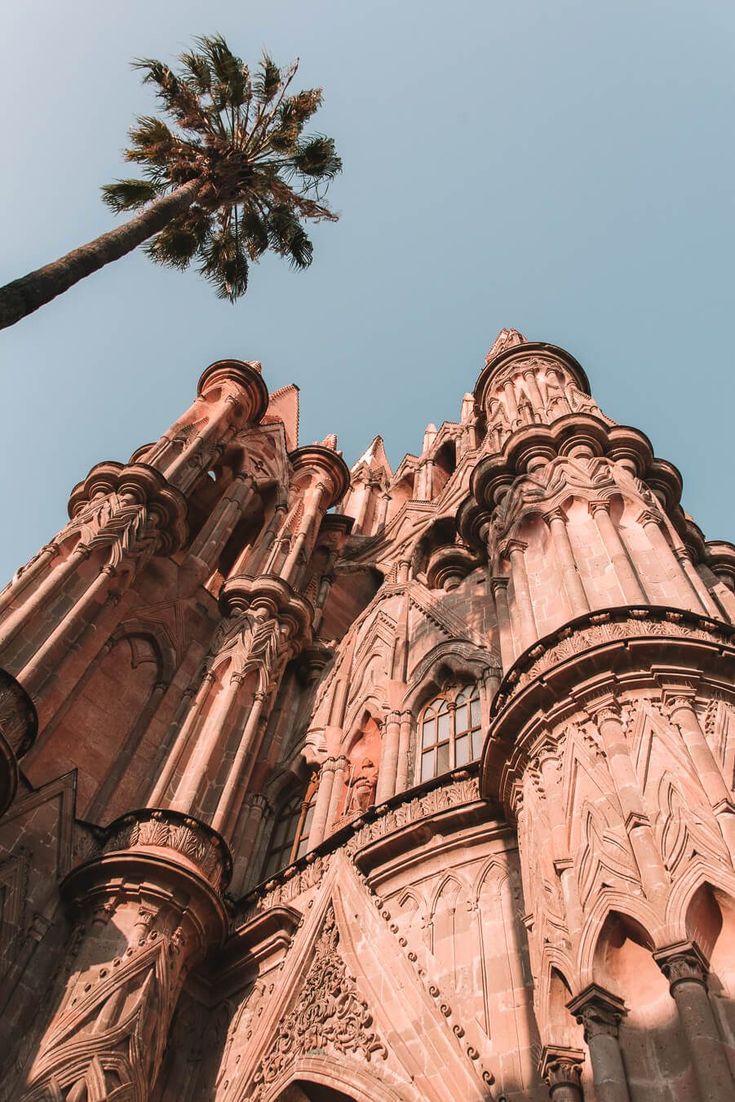
Two hundred years ago, San Miguel was a regional town tied to the story of independence. Today, the same central plaza hosts artists and traditions from multiple continents, each performance unfolding against the backdrop of pink stone churches and colonial arcades that have stood for centuries.
The Jardín has always been the civic heart of San Miguel. Historically it was the place where announcements were made, celebrations were held, and the rhythms of daily life unfolded. What has changed is the scope of the voices that pass through it.
During the bicentennial celebrations, music from Guatemala, Cuba, Argentina, Panama, Colombia, and West Africa will echo across the same square where local bands from San Miguel will also perform. A symphonic band from the state of Guanajuato will close out one evening. Another night will bring together traditional university tunas from across Mexico, filling the plaza with centuries-old serenade traditions.
It is a fitting reflection of what San Miguel has become.
Over two centuries, the city has passed through many identities. A colonial settlement known for trade and agriculture. A place tied to the beginnings of Mexico’s independence movement. Later, a quiet provincial city whose architectural beauty gradually began attracting artists, writers, and creative communities.
Physical transformations also shaped the city’s character. In 1880, local builder Zeferino Gutiérrez began reconstructing the parish church in a dramatic neo-Gothic style, creating the pink spires of the Parroquia de San Miguel Arcángel that would eventually become the city’s most recognizable symbol.
At the beginning of the twentieth century, industry briefly defined another chapter. In 1902, the textile factory La Aurora opened on the edge of town, employing workers from across the region and becoming one of the city’s most important economic centers for nearly a century.
A different transformation arrived in 1937, when Peruvian artist Felipe Cossío del Pomar founded an art school in San Miguel, helping spark the cultural revival that would shape the city’s creative identity throughout the twentieth century and draw artists from around the world.
That process transformed San Miguel into something unusual: a historic Mexican city that also operates as a crossroads of cultural exchange.
Today its streets hold layers of history at once. Local traditions continue alongside a constant flow of artistic and cultural influence from outside the region. The result is a city that has never remained static, even while its architecture and historic center appear timeless.
That legacy was recognized internationally in 2008, when the historic center of San Miguel and the nearby Sanctuary of Atotonilco were designated a World Heritage Site by UNESCO, acknowledging the city as a remarkable example of a colonial urban landscape shaped by the meeting of Spanish, criollo, and Indigenous traditions.
The bicentennial celebrations reflect this evolution.
Rather than focusing solely on ceremony or historical commemoration, the program turns the city itself into a stage. Each evening performance in the Jardín becomes a small expression of what San Miguel now represents: a meeting point of tradition, creativity, and international cultural dialogue.
Two hundred years ago, the town changed its name to honor a revolutionary figure.
Today that name carries something broader. Not only the memory of Ignacio Allende and the independence movement, but the identity of a city that continues to reinvent itself while remaining deeply connected to its past.
And for a few weeks this spring, the sounds of that evolving story will be heard where they always have been.
In the Jardín.
(Jardín Principal and Plaza Cívica)
March 6 – Plaza Cívica
19:00 – Opening Parade
20:00 – Folkloric Research Association of Costa Rica
March 7 – Jardín Principal
19:00 – Ballet Representativo de San Miguel
20:00 – Camilo Mederos and his Cuban musical group
March 13 – Jardín Principal
19:00 – Marimba dance group Ranima Kikel K’iche (Guatemala)
20:00 – Retro Band (music from the 70s, 80s, and 90s)
March 14 – Jardín Principal
19:00 – Tribute to José Alfredo Jiménez (100th anniversary of his birth)
21:00 – Musical program featuring Edgar Navarrete (Houston), Jesymel and Camerata Capriccio (Peru), and Mariachi Monumental Guanajuatense
March 15 – Jardín Principal
19:00 – Avenida Cover, classic ballads program
20:00 – El Folklor, Silao Dance and Song Ensemble
March 19 – Templo de la Tercera Orden
18:00 – Tribute to Fray José de Guadalupe Mojica, special program with singers Ramos and Canela
March 20 – Jardín Principal
19:00 – Ballet Mazatl de San Miguel de Allende
20:00 – Eneik Tango (Argentina)
March 21 – Jardín Principal
19:00 – National Encuentro de Tunas featuring Tuna de Oro de Guanajuato, Estudiantina Guadalupana Potosina, Antiguos Tunos Derecho de la UNAM, and Tuna Provinciana
March 22 – Jardín Principal
18:30 – Flor y Canto, folkloric dance and music group from Zacatecas
19:00 – Ballet Identidades
20:00 – Christ-Dance Company (Togo)
March 27 – Jardín Principal
19:15 – Son Solaris de Puebla
20:00 – Taurus Orchestra (Colombia)
March 28 – Jardín Principal
19:00 – Bands of San Miguel de Allende
20:00 – Academia de Danza y Expresiones de Panamá and Asociación de Bailes Folklóricos de Chitré
March 29 – Jardín Principal
18:00 – Symphonic Band of the State of Guanajuato
March 30 – Jardín Principal
19:00 – Music, singing, and dance by Wapa México
May 15 – Jardín Principal
19:00 – Salsa exhibition and concert

We're Savant, San Miguel de Allende’s new online lifestyle and culture magazine. Created for curious travelers, locals, and design and food lovers alike, Savant offers curated stories and an authentic look into the people, places, and passions that shape this iconic town. More than a publication, it’s a cultural community, and your invitation to experience San Miguel like never before.
A curated monthly dose of lifestyle, culture, and rhythm from San Miguel.